
When it comes to liquid waste removal in and around Melbourne, choosing the right service isn’t just about the money – it’s about selecting a provider that prioritises safety, compliance, knowledge, and environmental responsibility. Understanding the requirements, classifications, and processes for liquid waste is essential for various industries including businesses, councils, and property owners to remain compliant and avoid costly mistakes.
What is Liquid Waste?
Liquid waste is any waste material in liquid form that requires controlled handling, transport, and disposal to meet environmental and safety regulations. This can include both non-hazardous liquids (such as septic waste or grease trap contents) and Dangerous Goods (DG) (such as flammable liquids, toxic chemicals, or industrial by-products).
Correct classification is critical. Dangerous Goods must be identified, labelled, and transported in accordance with DG transport laws, with licensed drivers and DG-licensed vehicles where required.
For Reportable Priority Waste (RPW), transport vehicles must hold an EPA waste transport permission for the waste category being carried. Vehicles must also meet all relevant safety and environmental standards.
The responsibility starts with the waste producer. Under EPA Victoria regulations, the business or individual producing the waste must:
- Accurately describe the type of waste, including its chemical and physical properties
- Determine if it is DG or non-hazardous
- Provide the necessary documentation for transport and disposal
Failure to do so can result in significant fines and legal consequences — even if a third party handles the transport. Where the producer is unsure, they can contact an EPA approved consignor to help classify the waste.
Examples of Liquid Waste Types
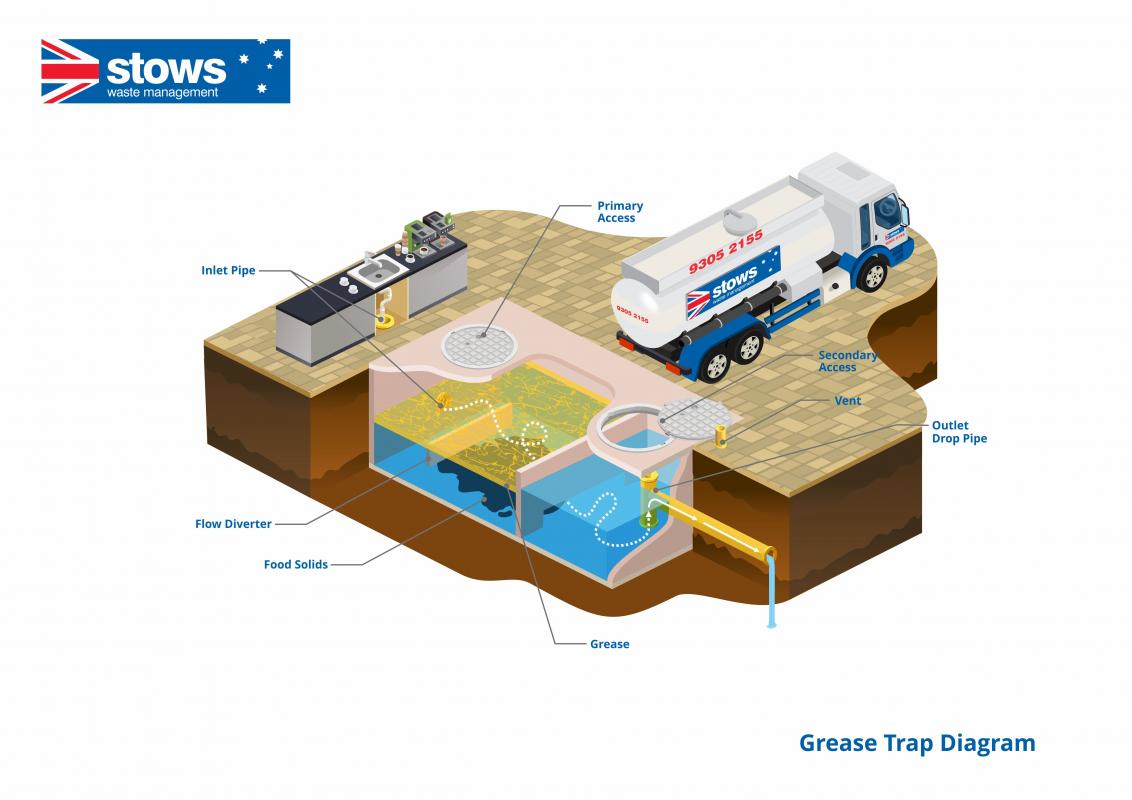
- Grease trap waste – fats, oils, and food solids from restaurants, cafes, and food processors
- Septic tank contents – sewage and wastewater from homes, rural properties, and unsewered areas
- Commercial sewer – from toilet blocks and pump pits
- Industrial wastewater – chemical-laden water from factories, workshops, and processing plants
- Leachate – contaminated water draining from landfills
- Liquid spills – from accidents to contaminated stormwater after heavy rain
Why Professional Removal Matters
- Compliance with Regulations
The Environment Protection Authority (EPA) has strict rules for the handling, transport, and disposal of liquid waste. Professional operators ensure:
- Waste is collected and documented correctly
- The right classification and transport permissions are in place
- Disposal occurs only at authorised treatment facilities
- Environmental Protection
Improper disposal can pollute soil, waterways, and groundwater. Responsible handling ensures waste is treated or processed in a way that minimises environmental harm.
- Site Safety
From confined space entry to managing spills, trained operators and suitable equipment are essential to protect both workers and the public during waste removal.
- Equipment and know how
Engaging the right supplier would mean they have all the correct equipment and knowledge to ensure the work is carried out efficiently and safely.
- Trained Operators
Too often we see operators unsure of how to use the equipment, causing delays and hazards. Doesn’t hurt to ask for a suppliers training matrix.
How Liquid Waste Removal Works
- Assessment – Determine if the waste is correctly classified and confirm whether it is DG or non-hazardous. Review site conditions and access requirements to ensure the correct equipment, safety measures, and collection method are in place.
- EPA – Generate EPA records inline with the waste classification
- Collection – Use the right vehicle for the job, whether that’s a vacuum tanker, a large tautliner for packaged liquid waste, or a smaller tray truck for limited loads.
- Transport – Ensure waste is contained securely in sealed tanks or properly restrained packaging, using vehicles with EPA permissions for the relevant RPW category.
- Treatment & Disposal – Deliver waste only to EPA-approved disposal or treatment facilities.
- Reporting – Provide documentation that confirms compliant transport and disposal, supporting the waste producer’s records.
Industries & Sectors Commonly Served
- Hospitality & Food Service – grease trap cleaning and maintenance
- Manufacturing & Industrial – wastewater removal and site clean-ups
- Local Councils – leachate collection and stormwater pit cleaning
- Construction – dewatering and slurry removal
- Residential & Rural Properties – septic tank pumping
Choosing the Right Provider
When selecting a liquid waste removal provider in Melbourne, consider:
- Experience handling both DG and non-hazardous waste
- EPA vehicle permissions for Reportable Priority Waste
- Trained and licensed operators
- A well-maintained, compliant fleet
- Knowledge of local regulations and industry standards
Work With a Trusted Partner
For decades, Stows Waste Management has provided Melbourne with professional, safe, and environmentally responsible liquid waste solutions. With an experienced team, modern fleet, and full EPA vehicle permissions for Reportable Priority Waste, we ensure every job meets the highest standards.
Contact us today to get started
